Why Windows still uses hotspot data on a metered connection
You paused Windows Update, but your phone’s usage counter keeps climbing while the laptop is connected. Which app is using the hotspot, and how do you stop its transfer?
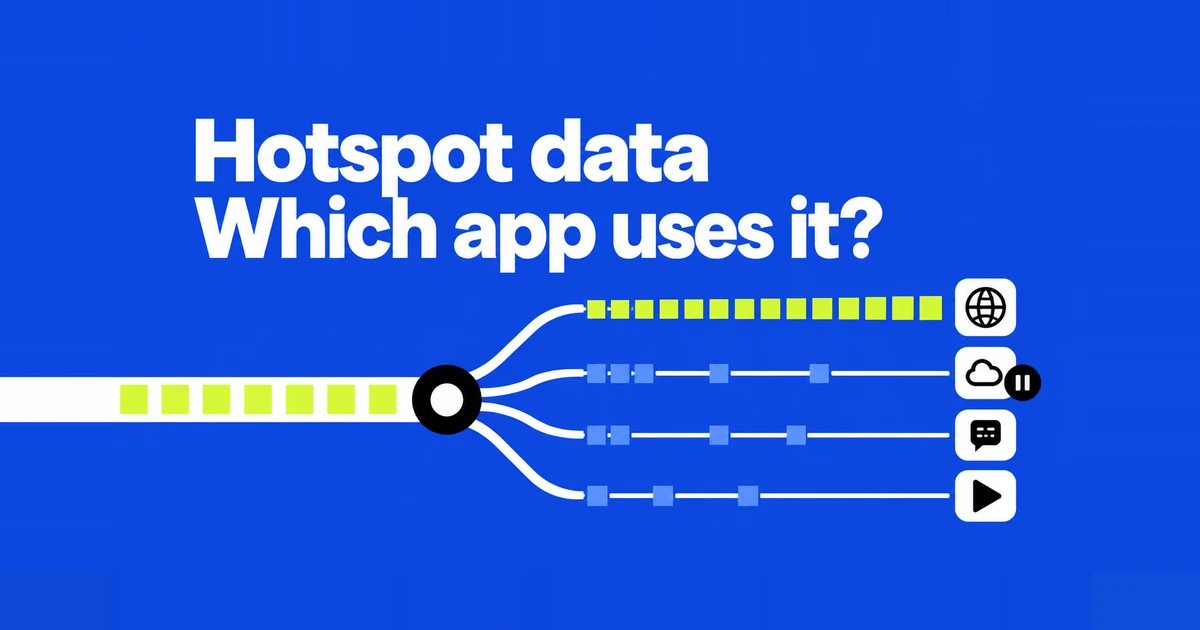
A download left running before you leave the office can compete with the documents you need to send over a hotspot. To make the allowance last, find the active transfer and decide whether it can wait until you return. If the allowance is almost gone, disconnect the laptop from the hotspot first. You can inspect its settings and usage history while offline.
In a Microsoft Q&A post, a Windows 11 user reported continued hotspot consumption despite metered mode and paused updates. The phone and laptop also displayed different totals. That report leaves two things to investigate: which transfer is active, and whether the counters cover the same period and connection.
Metered mode applies to each connection and can still allow priority updates
For a Wi-Fi hotspot, open Settings → Network & internet → Wi-Fi → your connected network and enable Metered connection. Windows normally treats Wi-Fi as unmetered. A USB tether presented as Ethernet needs its own connection setting. Windows can still download priority updates, as Microsoft explains in its metered connection documentation.
Check the network name before changing the setting. Your laptop may have saved settings for home, office and phone networks, so select the phone’s network and enable metered mode there. If your organization manages the Metered connection switch, give IT the name of the network with the limited allowance so they can review its setting.
Check usage history, then find the app transferring data now
Open Settings → Network & internet → Data usage. Some layouts expose it under Advanced network settings. Choose the relevant network adapter and check the displayed period. Shawn Brink’s illustrated Windows 11 walkthrough shows 24-hour, seven-day and 30-day filters, with apps listed by usage. Use the options available on your installed build.
The usage list helps you choose apps to investigate, but its Wi-Fi total can include transfers over other Wi-Fi connections during the selected period. For example, a browser might lead the list after yesterday’s video viewing while a cloud client is uploading files today. The cloud client is the app to pause in that case. The adapter total combines the recorded transfers, rather than isolating the current hotspot session.
For current activity, press Ctrl+Shift+Esc to open Task Manager. In Processes, sort the Network column to bring apps using the network toward the top. Microsoft describes the process resource tables as live information. These changing values show current activity, while Data usage shows accumulated transfers over the selected period.
Open the busy app’s own download or sync panel. Pause an unnecessary transfer there, then watch the activity again. With a browser, inspect downloads and streaming tabs; with a sync client, inspect its file queue. Save your work before closing an application. Pausing through the app makes the transfer easier to resume later than abruptly ending its process.
While you have enough data to observe the result, pause one app at a time and watch for a drop in network activity. Stopping five apps together makes it harder to identify the transfer responsible. Keep watching after a zero reading: a job may have finished, or another may start later. If only a generic system process appears, record the time and compare it with the update status to investigate what was running.
A scheduled restart does not postpone the download
In Windows Update → Advanced options, check whether Download updates over metered connections is enabled. For a temporary break, return to Windows Update and choose a duration beside Pause updates. The Windows Update FAQ explains that, after the pause limit, current updates must be installed before another pause.
Active hours and restart scheduling control when Windows reboots. If the update page still says a download is in progress, scheduling tonight’s restart leaves that download running. Check whether Windows is downloading, installing or waiting for a restart. If the download can wait, pause updates and complete them later on a suitable connection.
Disabling update sharing still allows Microsoft downloads; speed limits cover automatic downloads
Under Windows Update → Advanced options → Delivery Optimization, Activity monitor shows the current month’s download sources and upload activity. Its bandwidth controls apply to automatic update downloads; Microsoft says manually initiated Windows Update or Store downloads are outside those limits.
If an update keeps downloading after you turn off Allow downloads from other devices, check its progress in Windows Update. Turning off sharing still permits downloads directly from Microsoft; use the update pause described above if that transfer needs to wait. Microsoft’s Delivery Optimization privacy guidance also says metered connections do not automatically exchange update parts with other PCs on the internet. The sharing switch alone therefore cannot tell you whether other PCs used your allowance.
A speed cap spreads the same file transfer over a longer time. The monthly activity total also includes transfers outside this morning’s commute, so compare that record with the app’s current transfer status to investigate hotspot use before changing more network settings.
Pause OneDrive syncing and prepare the files you need offline
For OneDrive, right-click the cloud icon in the notification area and choose a pause duration. Microsoft’s pause instructions describe automatic pausing on metered networks and manual pauses of two, eight or 24 hours. Verify that it actually says Paused. Personal and work accounts can be paused separately, and syncing resumes when the chosen time expires.
Suppose a short appointment turns into an afternoon away from the office. A two-hour pause may have ended while you were still tethered. Open the activity panel again to see whether the queued files have resumed transferring. If you edited a document during the pause, wait for its upload to finish before telling a colleague the cloud copy is current.
OneDrive can display a filename even when the file’s contents are not stored on the laptop. Online-only files download when opened. Before leaving a suitable connection, select the documents you need, right-click and choose Always keep on this device. Wait for them to become available locally. Selecting an entire folder downloads its contents too, so prepare the presentation and supporting files rather than the whole archive.
Set a data warning and check your carrier’s remaining allowance
In the connected Wi-Fi network’s settings, choose the data-limit link, then Enter limit. Select the limit type and fill in its details. Microsoft describes notifications near and beyond the limit. Treat those notifications as warnings to pause transfers or disconnect; the setting does not guarantee that hotspot use will stop at the limit.
Check your carrier account for the allowance that applies to tethering. Leave enough for any other devices using the phone and for later hotspot sessions. For example, if 3GB remains and you need the hotspot again tomorrow, reserve some of it instead of budgeting all 3GB for today’s laptop work. This is a planning example, not a recommended allowance for a meeting.
When Windows and the phone disagree, write down the time range, selected connection and other connected devices before comparing totals. Preserve the Windows statistics so your carrier or PC support team can investigate an unexplained mismatch. To identify a specific app, VPN or Windows service as the cause, they need more than the difference between the two totals.
Finish deferred work after reconnecting at the office
Confirm that the laptop has left the phone’s connection before resuming large jobs. Resume updates and cloud syncing, then check that the files changed while you were away have finished uploading. If you need to hand a document to someone else, open the shared copy to confirm the intended version is there.
Before the next trip, revisit the apps that had large queues today. Complete their updates on the fixed connection and keep the work files you need available offline. You can then use the hotspot for the transfers your work requires, such as sending an attachment, with fewer background downloads to interrupt or investigate.