A Negative SynthID Result Does Not Authenticate a Photo
A suspicious photo comes back clean from the SynthID detector. Which AI images slip past it, and what else do you check before trusting the file?
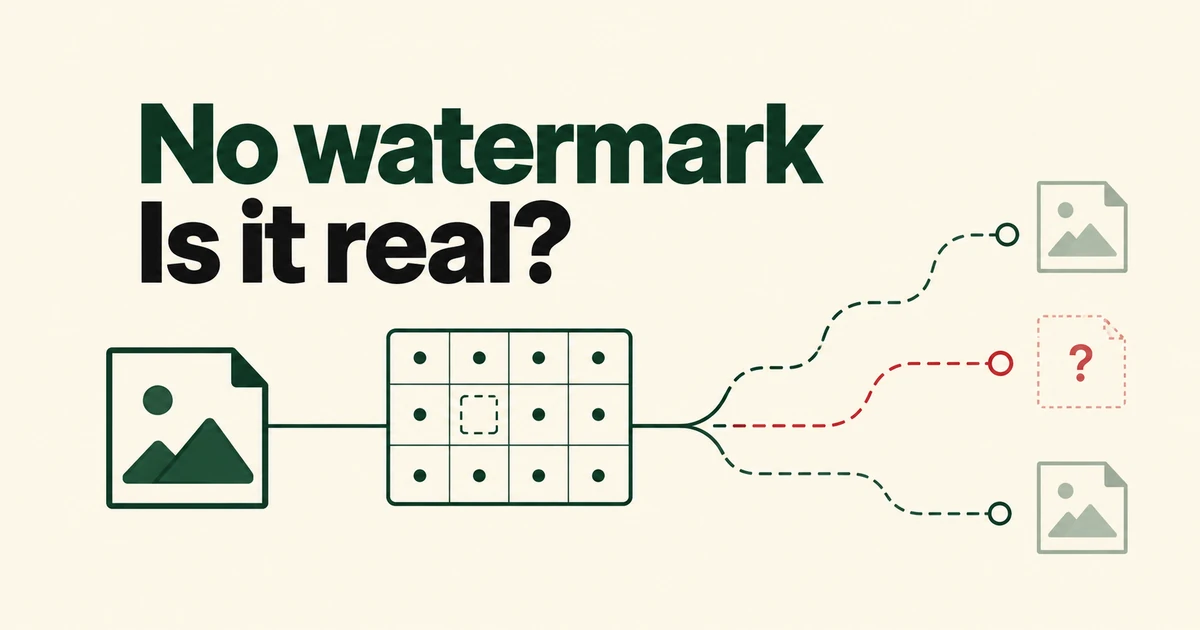
- A negative SynthID result does not establish camera capture or rule out AI use.
- Unsupported generators and alterations that affect the signal can both leave a file without a detectable watermark.
- Check the detector’s coverage and examine the original source and available creation history.
A dedicated media checker now has broader access
Google’s October 7 announcement opened SynthID Detector globally in English. It checks images, video and audio for watermarks associated with Google and partners including OpenAI, NVIDIA and Kakao. Apple was listed as coming later.
This expands an existing product. The May 2025 introduction offered early access to groups such as media professionals and researchers. The latest announcement brings a dedicated media-checking destination to the public.
The signal lives inside the content
SynthID embeds an imperceptible watermark into generated content. Detection looks for that signal; it does not depend on a visible corner logo or an impression that a picture looks synthetic.
File metadata is a separate channel for information about creation and editing. DeepMind’s image-watermark explanation says its pixel-level signal can remain detectable when metadata is lost. Missing EXIF information is therefore not equivalent to a missing watermark.
Google designed the technology to tolerate common transformations, including compression and color changes. Its original technical explanation also acknowledges limits under extreme manipulation. The current Gemini guidance says repeated alterations can prevent detection.
Detection can reflect an edit to part of a file
A positive result does not necessarily mean an entire scene was generated from scratch. Gemini’s result definitions include content created or edited wholly or partly with Google AI. The earlier Detector announcement likewise described locating signals within portions of content.
| Observation | What it supports |
|---|---|
| A watermark is detected | Evidence of a supported AI creation or editing process, potentially affecting only part of the content. |
| No watermark is detected | No basis for excluding unsupported generators or changes that affect detection. |
| Provenance information is present | A separate record of origin or editing history to examine. |
Those boundaries have a practical consequence: a negative watermark result cannot authenticate a photograph. Whether the depicted event happened at the claimed place and time requires evidence beyond this signal check.
The standalone detector and Gemini have different documented coverage
The public SynthID Detector announcement includes partner content. As of October 26, Gemini’s help page says its own SynthID checks recognize only content from Google AI tools, even though other companies have adopted the technology.
Record which tool produced a result. Then inspect the original post, use reverse image search to find earlier appearances, and review available creation or editing history. When sharing a finding, report the detected signal and its scope instead of reducing the file to an unsupported “real” or “fake” label.
FAQ
Does removing metadata make a file uncheckable?
No. The image watermark is embedded in pixels. Metadata loss and watermark detection are separate issues.
Does a negative result rule out AI?
No. Unsupported generators and transformations remain possible. Examine the source and available history as well.